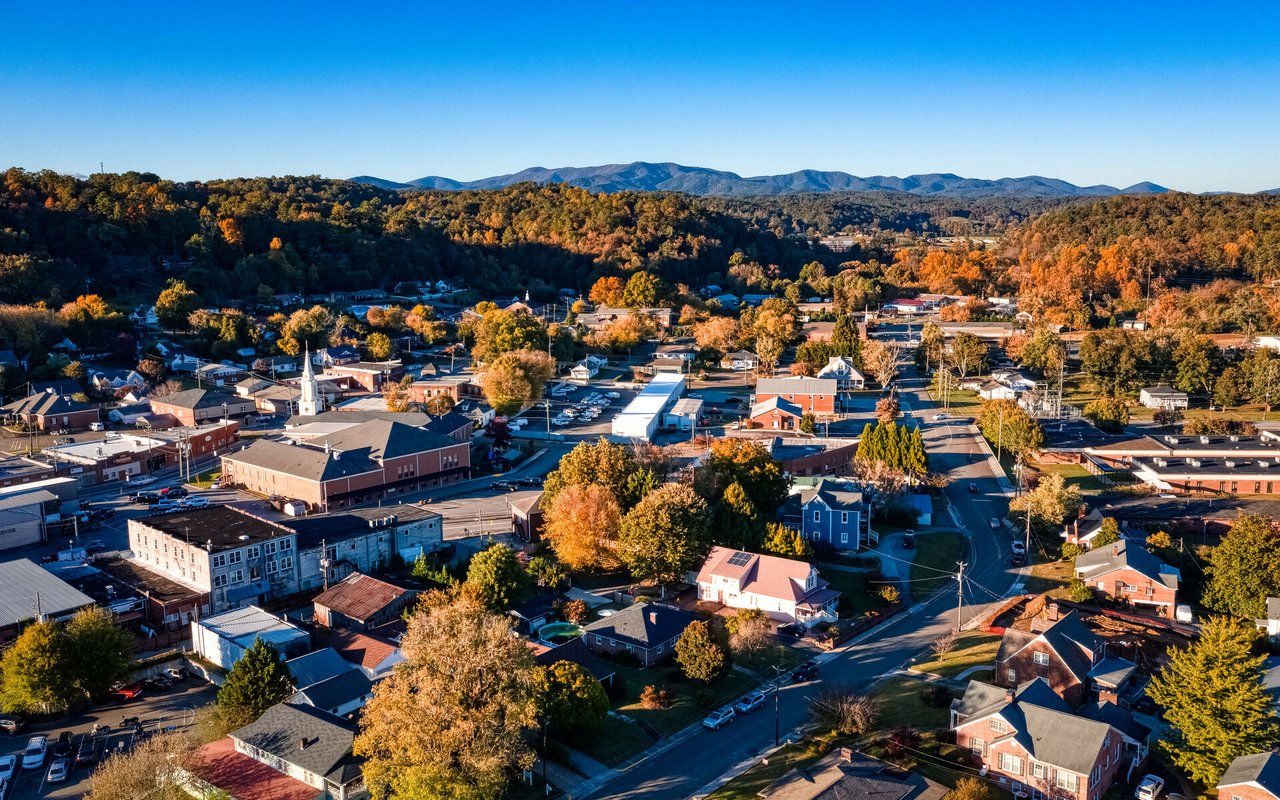
Marietta offers a diverse housing market within Cobb County, with property values influenced by location, school zones, and proximity to Atlanta. Home prices can vary significantly between areas near the Marietta Square, East Cobb, West Cobb, and neighborhoods closer to I 75. Established subdivisions, new construction homes, townhomes, and properties on larger lots each follow different pricing trends. Access to major commuter routes and nearby employment centers often affects buyer demand. Homes located in highly rated school districts frequently command stronger pricing. Updated kitchens, finished basements, outdoor living spaces, and well maintained landscaping can meaningfully increase value. Historic homes near the Square may be evaluated differently than newer suburban developments. Community amenities such as swim tennis neighborhoods can also influence market perception. Inventory levels in certain parts of Marietta can tighten quickly during peak buying seasons. Understanding what your home is worth in Marietta requires analyzing recent neighborhood specific sales rather than relying on broad county averages.
When determining a Marietta home value, recently closed sales provide the most reliable benchmark because they reflect actual buyer behavior. A detailed Marietta CMA compares similar properties within your subdivision and adjusts for square footage, lot size, upgrades, age, and overall condition. Subtle differences in renovation quality, floor plan, and curb appeal can significantly affect final sale price. Buyer demand may shift depending on interest rates and broader Atlanta market trends. Homes near parks, shopping centers, and dining districts often benefit from increased interest. Properties requiring cosmetic updates or repairs may sell at a discount compared to updated comparables. New development projects can influence pricing expectations in surrounding neighborhoods. Days on market and absorption rates help determine appropriate listing strategy. Market timing can play a role in competitive offer situations. Reviewing accurate local comparable sales data is essential to understanding your property’s true position in Marietta’s competitive suburban real estate market.
329,774 people live in Marietta, where the median age is 38 and the average individual income is $51,032. Data provided by the U.S. Census Bureau.
Total Population
Median Age
Population Density Population Density This is the number of people per square mile in a neighborhood.
Average individual Income
There's plenty to do around Marietta, including shopping, dining, nightlife, parks, and more. Data provided by Walk Score and Yelp.
Explore popular things to do in the area, including Shell, Tienda Conchita, and Krispy Krunchy Chicken.
| Name | Category | Distance | Reviews |
Ratings by
Yelp
|
|---|---|---|---|---|
| Dining · $ | 0.58 miles | 0 reviews | 0/5 stars | |
| Dining | 0.79 miles | 1 review | 2/5 stars | |
| Dining | 0.9 miles | 0 reviews | 0/5 stars | |
| Dining · $$ | 1.24 miles | 204 reviews | 3.4/5 stars | |
| Shopping | 1.24 miles | 1 review | 4/5 stars | |
| Shopping | 1.28 miles | 0 reviews | 0/5 stars | |
| Active | 0.83 miles | 0 reviews | 0/5 stars | |
| Active | 1 miles | 0 reviews | 0/5 stars | |
| Active | 1.05 miles | 0 reviews | 0/5 stars | |
| Active | 1.11 miles | 0 reviews | 0/5 stars | |
| Active | 1.19 miles | 0 reviews | 0/5 stars | |
| Active | 1.34 miles | 0 reviews | 0/5 stars | |
| Beauty | 1.13 miles | 1 review | 4/5 stars | |
| Beauty | 1.19 miles | 0 reviews | 0/5 stars | |
| Beauty | 1.19 miles | 0 reviews | 0/5 stars | |
| Beauty | 1.26 miles | 4 reviews | 2.3/5 stars | |
| Beauty | 1.26 miles | 1 review | 5/5 stars | |
| Beauty | 1.27 miles | 1 review | 5/5 stars | |
| Beauty | 1.27 miles | 2 reviews | 5/5 stars | |
| Beauty | 1.29 miles | 0 reviews | 0/5 stars | |
| Beauty | 1.3 miles | 0 reviews | 0/5 stars | |
| Beauty | 1.3 miles | 0 reviews | 0/5 stars | |
| Beauty | 1.31 miles | 0 reviews | 0/5 stars | |
| Beauty | 1.33 miles | 0 reviews | 0/5 stars | |
|
|
||||
|
|
||||
|
|
||||
|
|
||||
|
|
||||
|
|
Marietta has 121,744 households, with an average household size of 2.6714285714285713. Data provided by the U.S. Census Bureau. Here’s what the people living in Marietta do for work — and how long it takes them to get there. Data provided by the U.S. Census Bureau. 329,774 people call Marietta home. The population density is 2,531 and the largest age group is Data provided by the U.S. Census Bureau.
Total Population
Population Density Population Density This is the number of people per square mile in a neighborhood.
Median Age
Men vs Women
Population by Age Group
0-9 Years
10-17 Years
18-24 Years
25-64 Years
65-74 Years
75+ Years
Education Level
Total Households
Average Household Size
Average individual Income
Households with Children
With Children:
Without Children:
Marital Status
Blue vs White Collar Workers
Blue Collar:
White Collar: