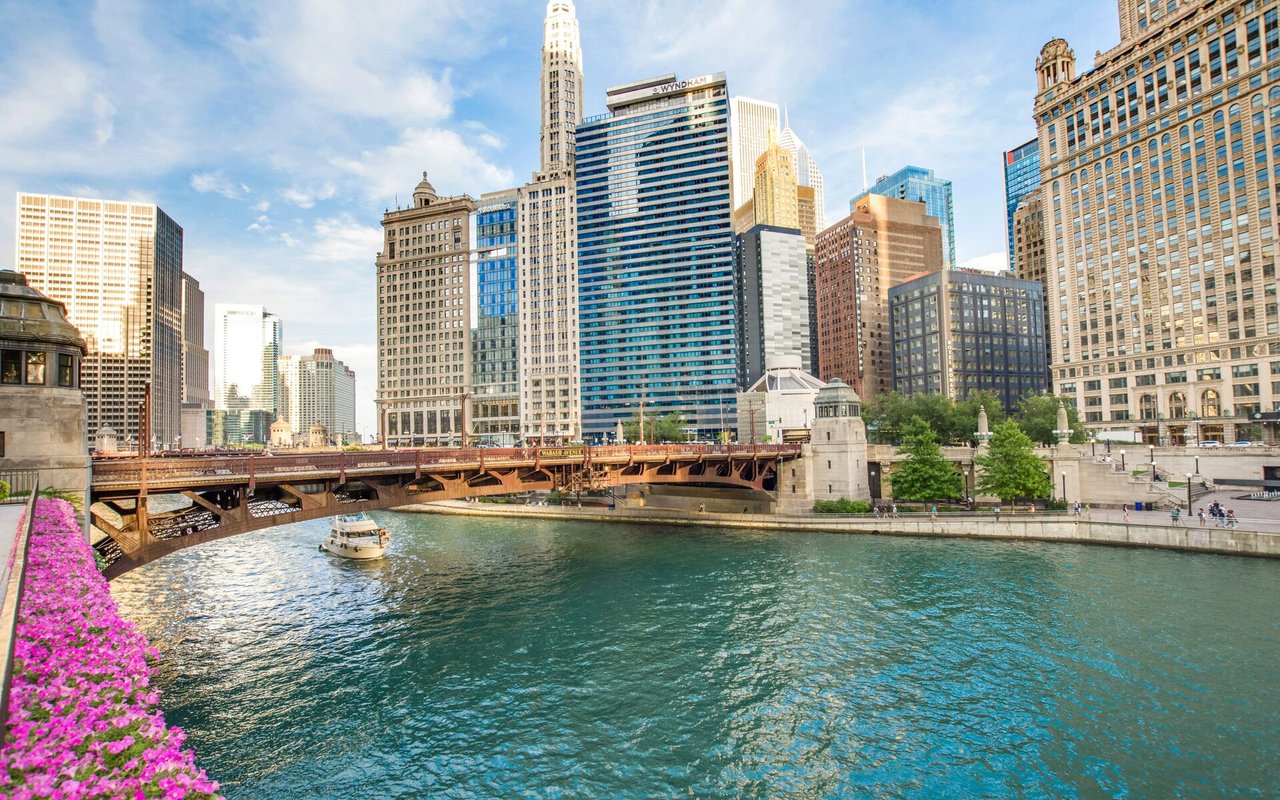
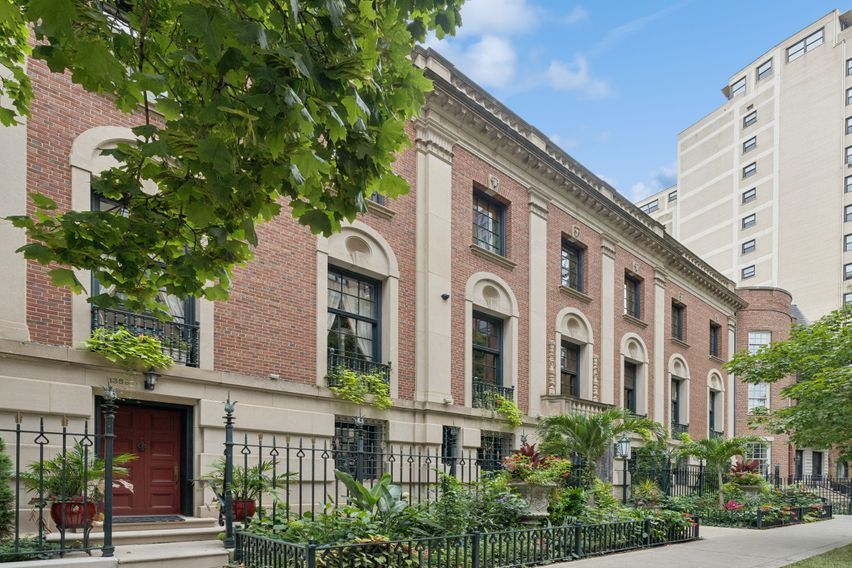
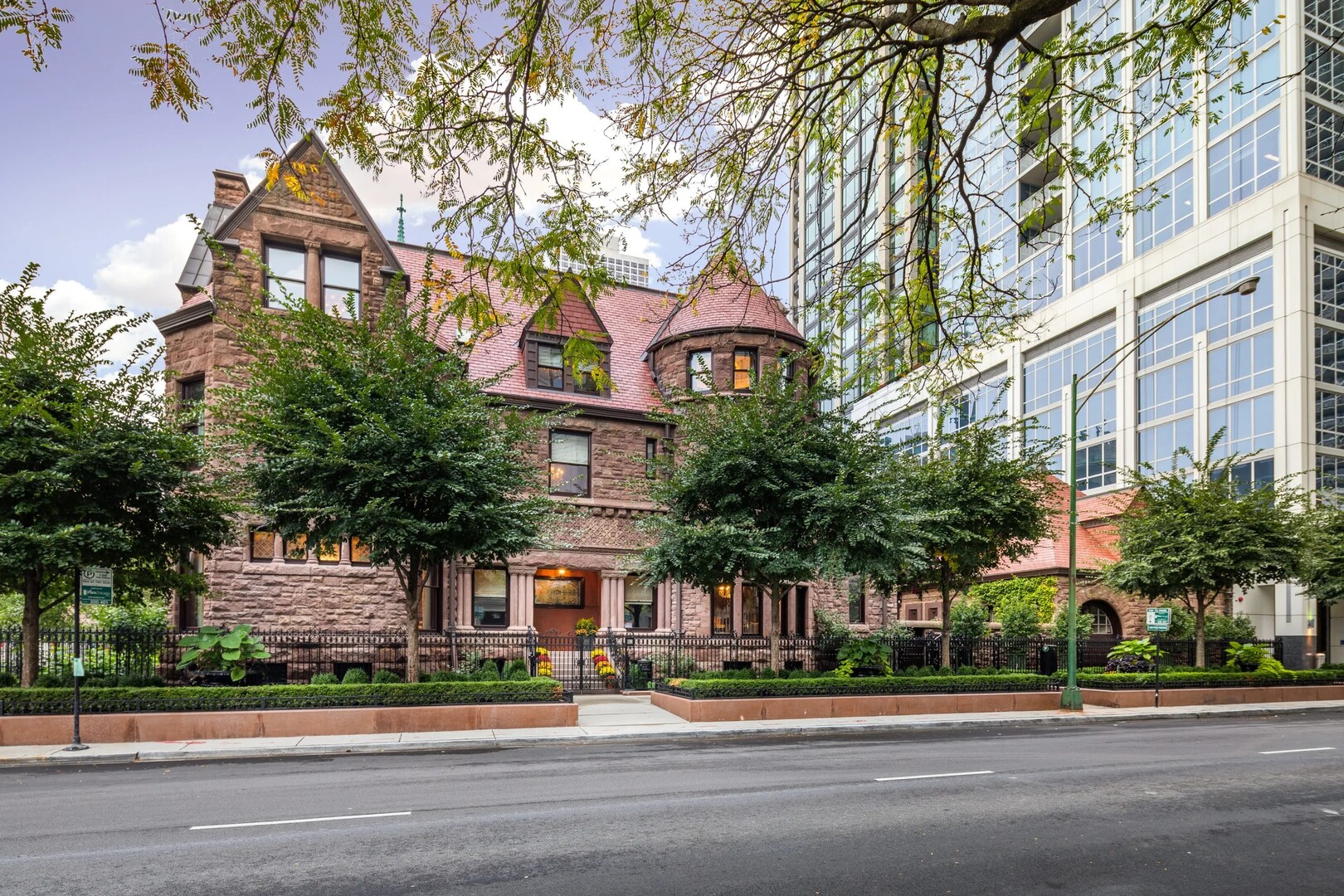
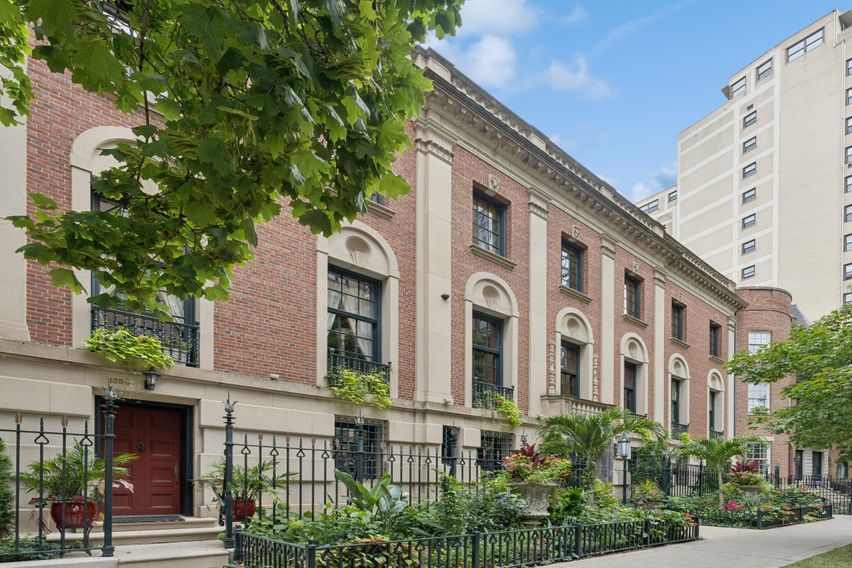
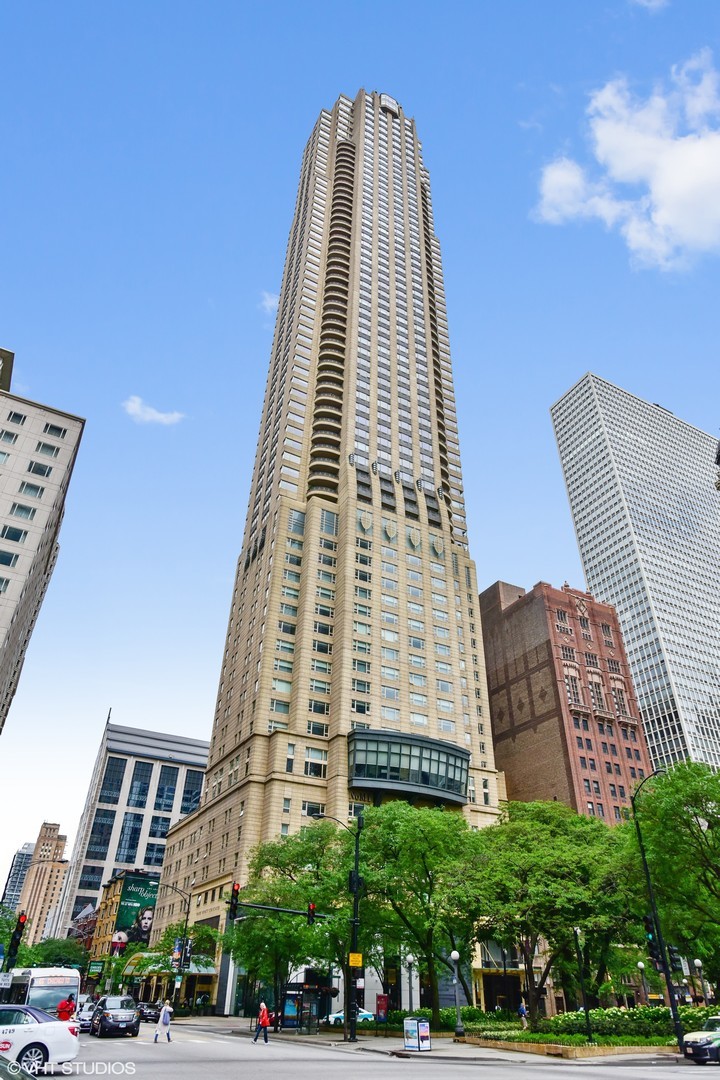
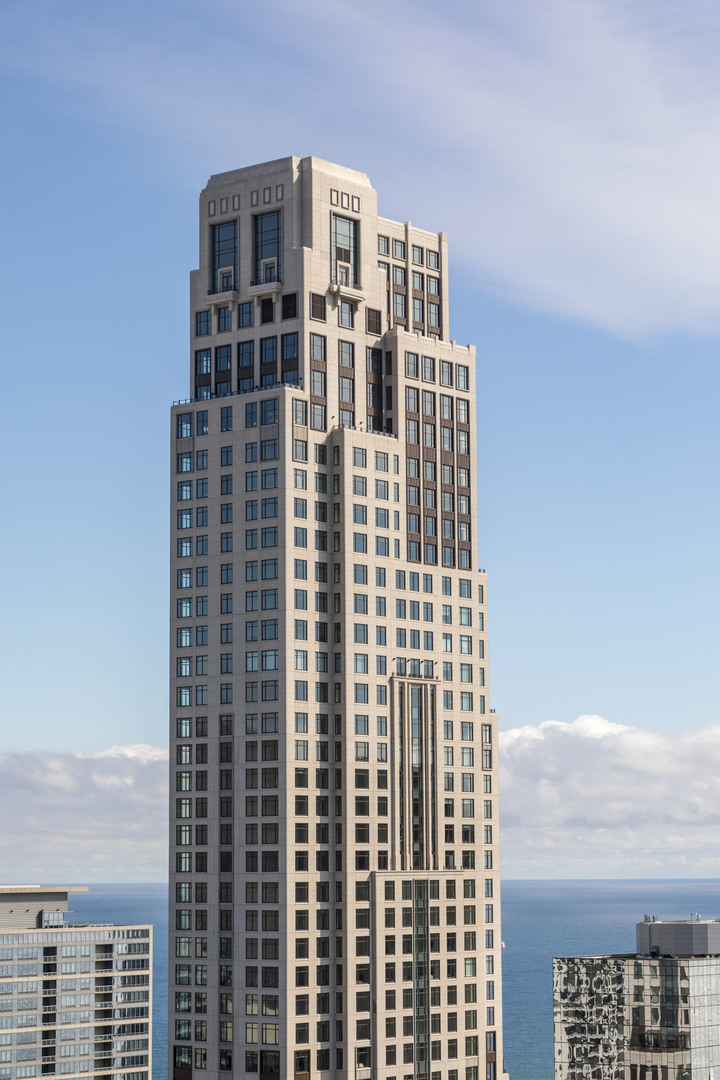
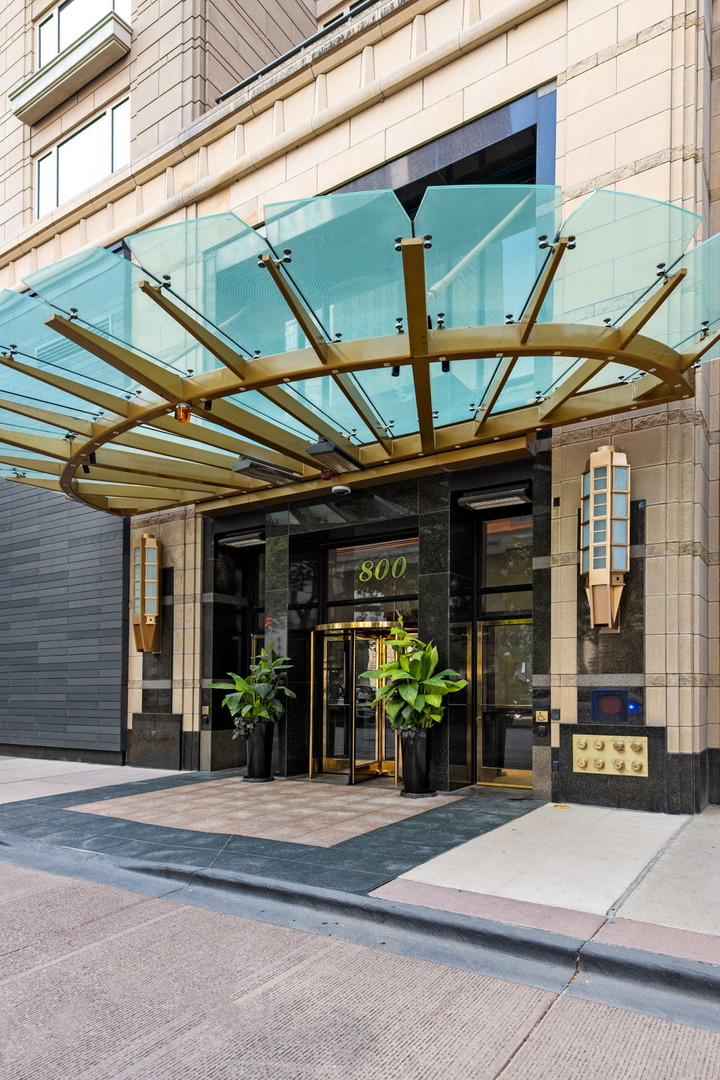
Chicago’s real estate market is defined by its diverse neighborhoods, varied housing stock, and strong local demand across different price points. Property values can vary significantly between areas such as Lincoln Park, Lakeview, West Loop, Logan Square, Hyde Park, and the South Loop. Condominiums, single family homes, vintage courtyard buildings, and multifamily properties each follow distinct pricing trends. Proximity to CTA transit lines, walkability, lakefront access, and neighborhood amenities can all influence buyer demand. Updated kitchens, modern finishes, outdoor space, and parking availability often increase property value compared to similar homes without those features. Historic greystones and renovated lofts may command premium pricing in certain areas. Local school districts and nearby employment centers also play a major role in valuation. Inventory levels and buyer competition can vary depending on the season. Interest rate movements may affect purchasing power and final sale prices. Understanding what your home is worth in Chicago requires analyzing neighborhood specific data rather than relying on broad city averages.
When determining a Chicago home value, recently closed sales provide the most reliable benchmark because they reflect actual buyer behavior. A detailed Chicago CMA compares similar properties in the same neighborhood and adjusts for square footage, layout, upgrades, building amenities, and overall condition. For condominiums, HOA fees and building reserves can influence pricing significantly. Multifamily properties must also be evaluated based on rental income potential and investor demand. Market timing can affect how quickly homes sell and whether they attract multiple offers. Properties located near parks, restaurants, and retail corridors often benefit from stronger pricing. Homes requiring renovation may sell at a discount relative to updated comparables. New construction developments can shift pricing expectations in surrounding areas. Days on market and absorption rates help determine pricing strategy. Reviewing accurate local comparable sales data is essential to understanding your property’s true market position in Chicago’s competitive real estate environment.
2,707,650 people live in Chicago, where the median age is 35.7 and the average individual income is $48,148. Data provided by the U.S. Census Bureau.
Total Population
Median Age
Population Density Population Density This is the number of people per square mile in a neighborhood.
Average individual Income
There's plenty to do around Chicago, including shopping, dining, nightlife, parks, and more. Data provided by Walk Score and Yelp.
Explore popular things to do in the area, including L P I Distrubution, Poppie's Bakeshop, and Autlan Grocery.
| Name | Category | Distance | Reviews |
Ratings by
Yelp
|
|---|---|---|---|---|
| Dining | 0.5 miles | 0 reviews | 0/5 stars | |
| Dining · $$$ | 0.52 miles | 21 reviews | 2.8/5 stars | |
| Dining | 0.68 miles | 0 reviews | 0/5 stars | |
| Dining | 0.91 miles | 7 reviews | 5/5 stars | |
| Dining | 0.98 miles | 0 reviews | 0/5 stars | |
| Dining | 1.07 miles | 0 reviews | 0/5 stars | |
| Dining | 1.07 miles | 1 review | 5/5 stars | |
| Dining | 1.24 miles | 0 reviews | 0/5 stars | |
| Dining · $ | 1.25 miles | 24 reviews | 4/5 stars | |
| Dining · $ | 1.29 miles | 41 reviews | 4.8/5 stars | |
| Dining | 1.29 miles | 0 reviews | 0/5 stars | |
| Shopping | 1 miles | 0 reviews | 0/5 stars | |
| Shopping | 1 miles | 0 reviews | 0/5 stars | |
| Shopping | 1.01 miles | 0 reviews | 0/5 stars | |
| Shopping | 1.12 miles | 0 reviews | 0/5 stars | |
| Shopping | 1.28 miles | 0 reviews | 0/5 stars | |
| Active | 1.04 miles | 2 reviews | 3.5/5 stars | |
| Active | 1.07 miles | 0 reviews | 0/5 stars | |
| Active | 1.1 miles | 0 reviews | 0/5 stars | |
| Active | 1.2 miles | 0 reviews | 0/5 stars | |
| Nightlife | 1.19 miles | 2 reviews | 3/5 stars | |
| Beauty | 1.07 miles | 0 reviews | 0/5 stars | |
| Beauty | 1.1 miles | 0 reviews | 0/5 stars | |
| Beauty | 1.17 miles | 0 reviews | 0/5 stars | |
|
|
||||
|
|
||||
|
|
||||
|
|
||||
|
|
||||
|
|
Chicago has 1,146,550 households, with an average household size of 2.32. Data provided by the U.S. Census Bureau. Here’s what the people living in Chicago do for work — and how long it takes them to get there. Data provided by the U.S. Census Bureau. 2,707,650 people call Chicago home. The population density is 11,890 and the largest age group is Data provided by the U.S. Census Bureau.
Total Population
Population Density Population Density This is the number of people per square mile in a neighborhood.
Median Age
Men vs Women
Population by Age Group
0-9 Years
10-17 Years
18-24 Years
25-64 Years
65-74 Years
75+ Years
Education Level
Total Households
Average Household Size
Average individual Income
Households with Children
With Children:
Without Children:
Marital Status
Blue vs White Collar Workers
Blue Collar:
White Collar: