Every few years, San Francisco seems to get declared “over.” Too expensive. Too many people leaving. Too many problems to fix.
This time around, the narrative feels especially loud. Office vacancies. Tech layoffs. Social media posts insisting the city is finished for good.
But if you zoom out even slightly, that story falls apart.
San Francisco properties values are not immune to cycles. Prices can fall. Demand can soften. Excesses can unwind. That has happened before and it will likely happen again. But the idea that the city has somehow lost its long-term appeal ignores some very basic realities about why people live here in the first place.
You can’t replicate the city itself
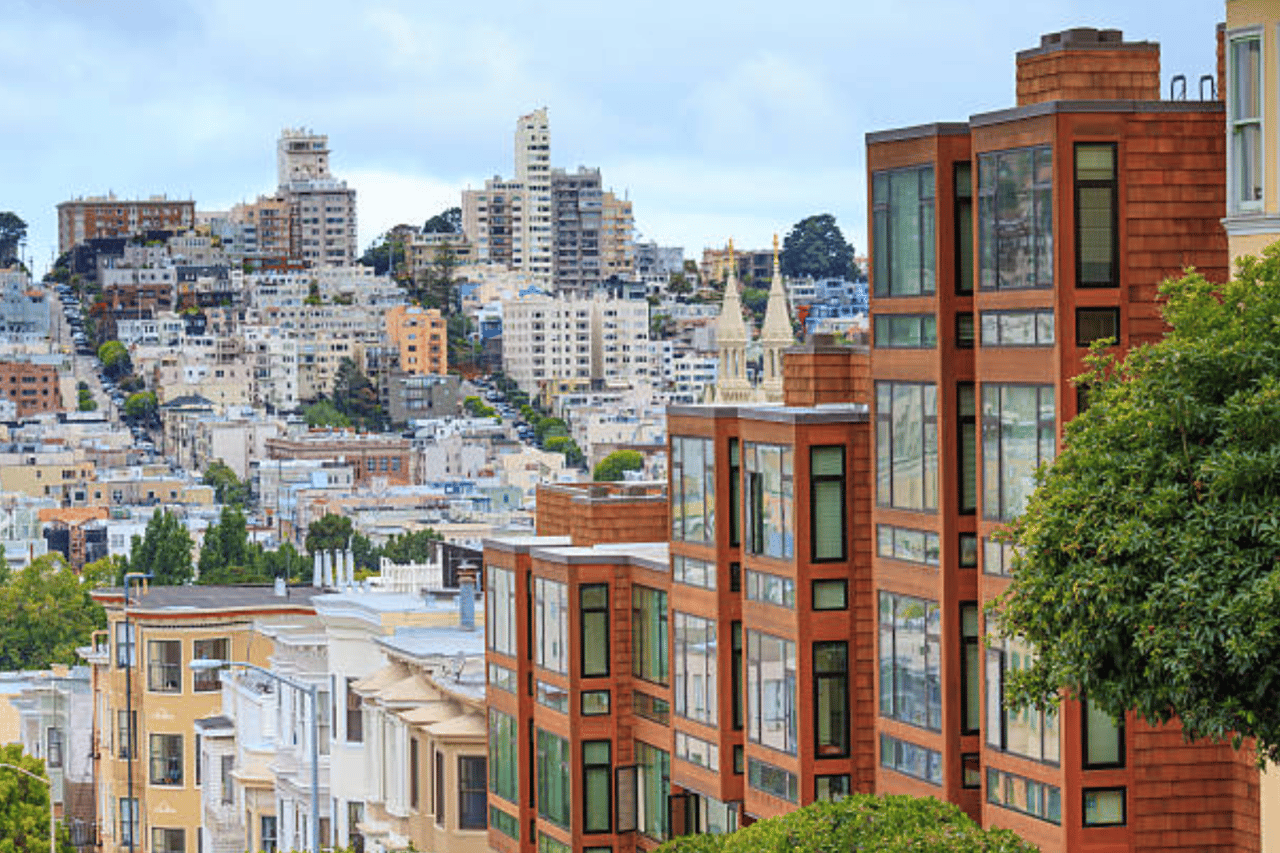
San Francisco isn’t just another job market. It’s one of the most visually striking and geographically unique cities in the country and arguably the world. That matters more than people admit. When a place is genuinely beautiful and physically constrained, demand doesn’t disappear. You cannot build another San Francisco.
Jobs here don’t vanish. They evolve.
A lot of the current doom narrative leans heavily on tech layoffs and office vacancies. Those are real issues, but they’re being misread. San Francisco has always been tied to innovation cycles. Finance. Tech. Biotech. AI. Creative industries. Startups rise, fall, merge, and reinvent themselves. Hiring surges and contracts. That volatility is part of the ecosystem. What tends to survive downturns is the network itself. Talent. Capital. Ideas. Institutions. That ecosystem doesn’t relocate overnight, even when parts of it go remote or temporarily shrink.
Historically, downturns in San Francisco haven’t erased demand. They’ve reset excess. And resets often lay the groundwork for the next phase of growth, not permanent decline.
Culture creates demand that spreadsheets miss
Cities are not spreadsheets. They’re lived experiences. San Francisco has a cultural gravity that doesn’t show up in price charts. The neighborhoods. The food. The architecture. The creativity. The sense that things start here before they spread elsewhere.
People who leave often come back. Some arrive for work. Some arrive because they simply want to live here. It’s a feature of cities that remain desirable even when they’re difficult.
Real estate doesn’t reprice like social media thinks it does
One of the biggest mistakes people make is expecting housing markets to behave like stocks. Real estate adjusts slowly. Through fewer transactions. Through longer days on market. Through incentives. Through selective price cuts rather than sudden collapses.
That slower adjustment process is often interpreted as denial or fragility, when in reality it’s how durable markets behave. Especially markets where supply is limited and ownership turnover is relatively low.
San Francisco has seen price corrections before. It has also seen long periods where prices moved sideways while fundamentals caught up. Neither scenario means the market is broken.
Resilient doesn’t mean invincible
None of this is an argument that prices can’t fall further or that affordability isn’t a serious issue. Both can be true at the same time.
Resilience doesn’t mean the absence of problems. It means the underlying reasons people want to live in a place haven’t disappeared.
San Francisco still has natural scarcity. It still has economic gravity. It still has culture. It still has global relevance. Those forces don’t vanish because of a bad cycle or a rough few years of headlines.
The narrative always swings too far
San Francisco has been declared unstoppable before. It has also been declared finished before. Reality has usually landed somewhere in between.
The doom narrative feels convincing when sentiment is low. But long-term resilience is built on things that change slowly. Geography. Culture. Networks. History.
Those forces are still very much intact.
Despite the noise, San Francisco real estate continues to behave less like a collapsing market and more like a city working through another chapter of it's cycle.